
From No Bid to Foal to Forever: Welcoming a New Colt to the Class of 2025
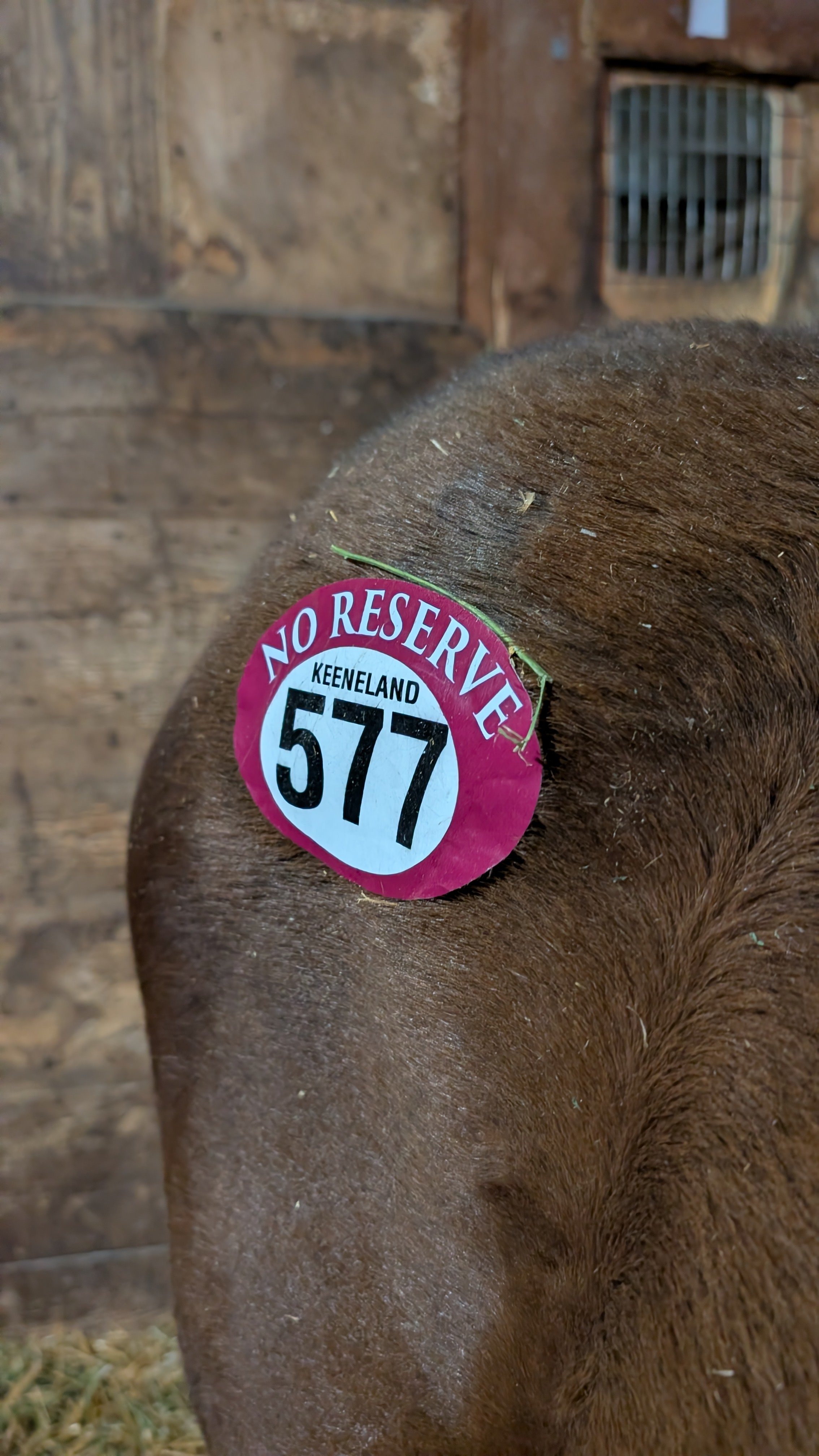
He went through the Keeneland January sale without a single hand raised.
Out of more than 1,100 cataloged horses, only seven received no bids.
He was one of them.
But hours later, he had a lifetime plan.
Here’s how that changed everything.
Why We Bought Him
We were originally at the sale for a simple, practical reason.
Thirteen needs a companion as he continues to grow. While he currently spends time with Callie and Whysper, as a colt he will eventually need to live separately from the fillies. We wanted that transition to be intentional and low stress.
We did not see Hip 577 go through the ring. Had we been there, we likely would have raised the $1,000 minimum bid in the moment, especially given that he shares a sire with Callie.
Later in the day, reviewing results, we noticed something unusual.
No bid.
We went back to the barns to learn more before he left the grounds.
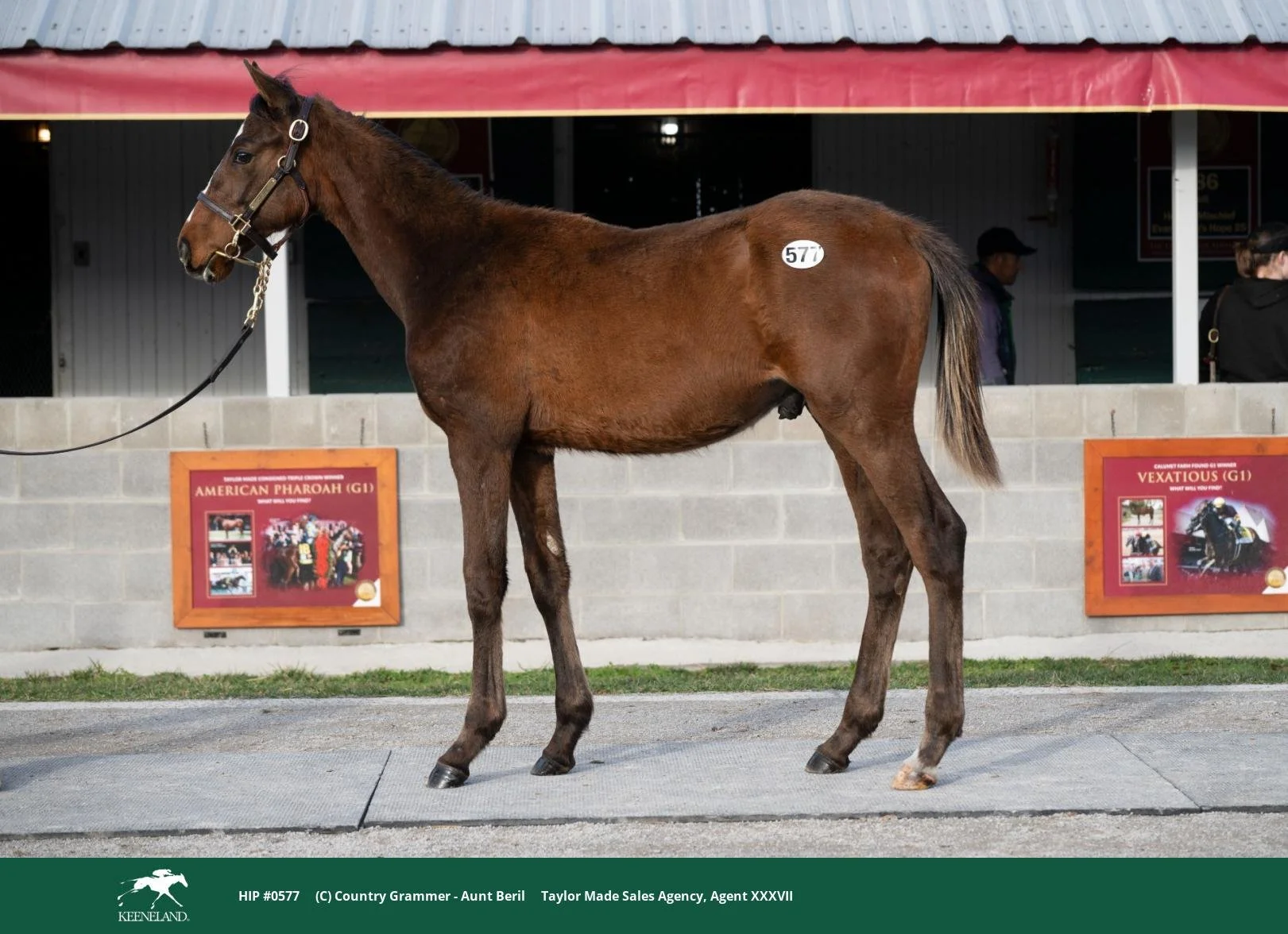
The moment Taylor Made pulled him from his stall for us to meet him, the decision became clear.
He is very small for his age. Quiet. Curious. Uncomplicated.
After a short walk to the Keeneland office, he was ours.
Arrival at the Farm
He unloaded quietly in the dark, walked confidently toward the round pen, and settled in as though he had done this before.
What he had experienced in a matter of days was not insignificant:
Shipping from his home farm
Stalling in busy sale barns
Exposure to crowds, loudspeakers, and constant handling
Trailer transport to a new environment
Even so, there was no spook, no drama, no resistance.
Just adaptability.
For his first days here, he remains isolated in the round pen while we observe biosecurity protocols and await veterinary evaluation.
His vitals are normal. His appetite is strong. His demeanor remains steady.
Those details matter.
How the Story Came Full Circle
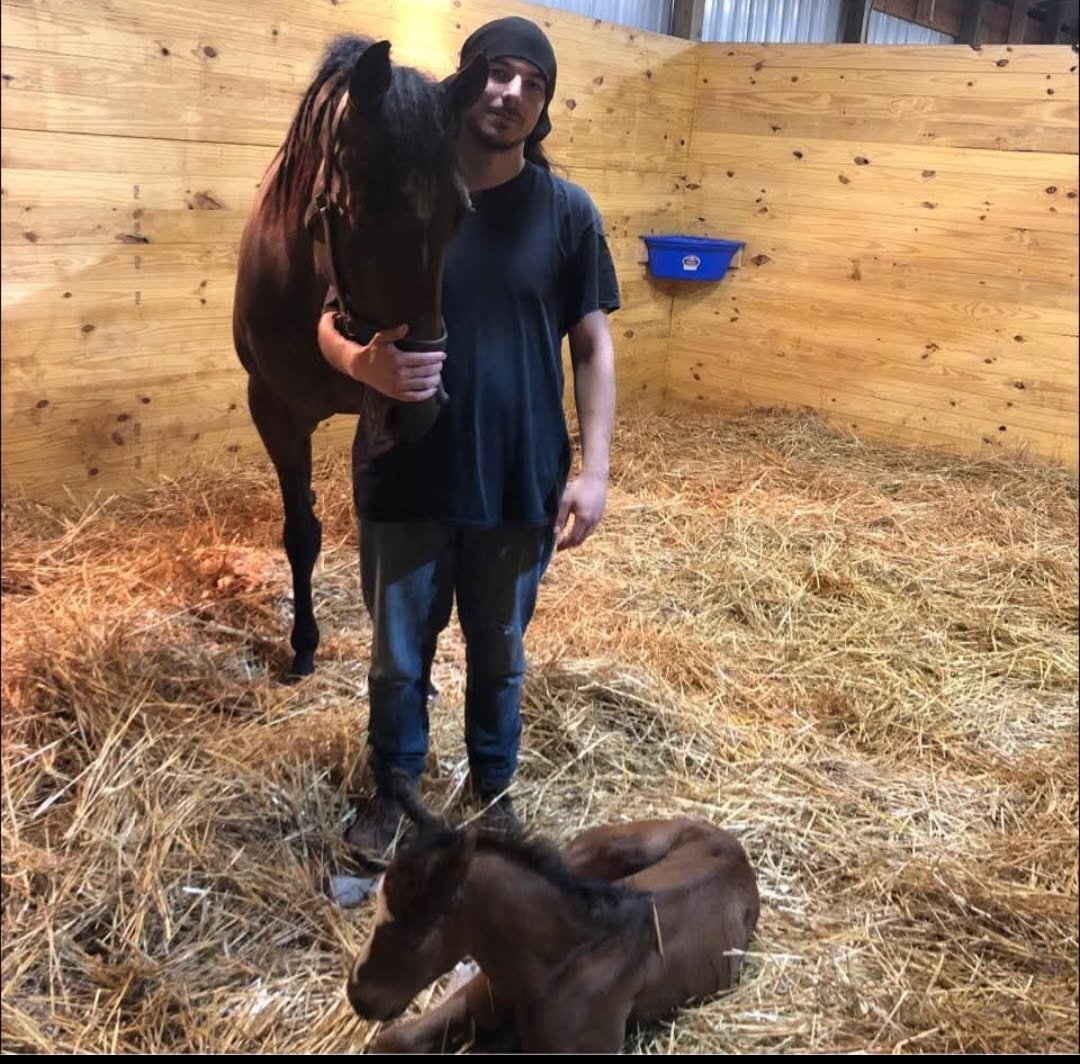
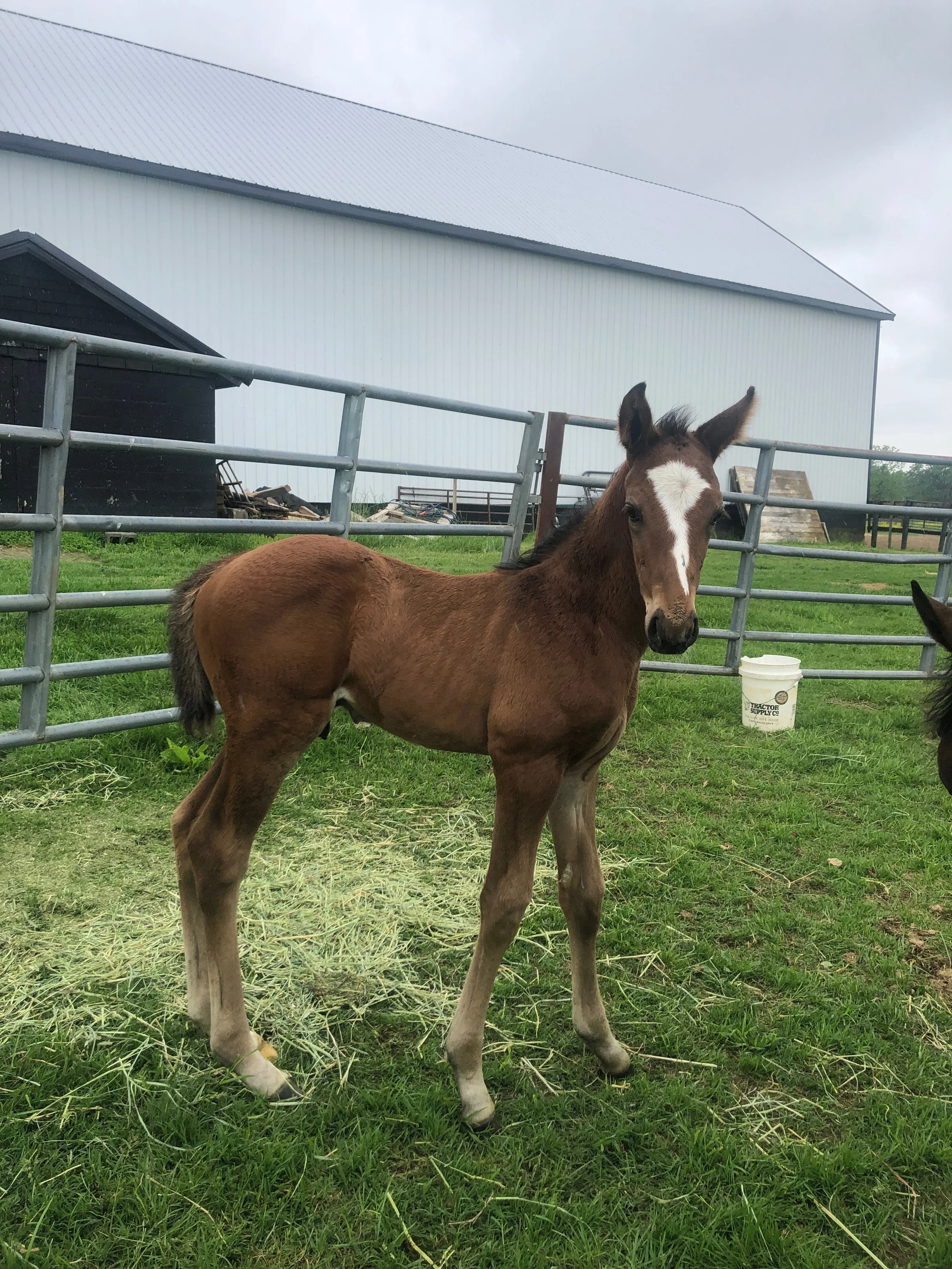
Earlier that same day, a friend had connected us with a breeder trying to exit the business and place a colt privately.
We reached out. No response.
Later, driving home, we looked up the registration and saw the breeder’s first name. It matched.
It was the same person. The same horse.
He had hoped someone would see what he saw.
Now he knows exactly where his colt landed.
This colt is not heading back into the sales pipeline. He is not moving from owner to owner.
He has a plan. He has lifetime protection with the Foal to Forever program.
What Is Foal to Forever?
Foal to Forever is a lifetime membership program that gives you behind-the-scenes access to follow these horses from purchase through training, racing, retirement, and beyond.
But more importantly, it is a commitment to permanence. Every horse in the program has a documented, traceable future under our oversight.
One payment.
Lifetime access.
Real horses. Real decisions. Real transparency.
This colt is now part of that story.
If you’ve been following from the sidelines and ever thought, “Maybe I should join,” this is that moment.
Membership gives you access to every update, decision, and milestone as his story unfolds.
After clicking, you’ll create a quick account (about 30 seconds) and then complete secure checkout.
Membership includes access to a protected member area, which is why login is required.
Why He Does Not Have a Name Yet
Several members have already asked why this colt does not yet have a registered name, especially since he is a yearling.
Most Thoroughbred breeders who plan to sell their foals do not name them. Instead, horses are referenced by their dam’s name and year of birth until a racing owner registers a name with The Jockey Club. That allows the future owner full control over naming.
Our homebreds are named early because we know they will remain with us throughout their racing careers. In this case, because this colt was bred with the intention of being sold, he remained unnamed, which is typical in the commercial market.
Naming him will now become part of the Foal to Forever process.
UPDATE: He has a name! https://www.foaltoforever.com/class-of-2025/from-no-bid-to-official-jockey-club-name
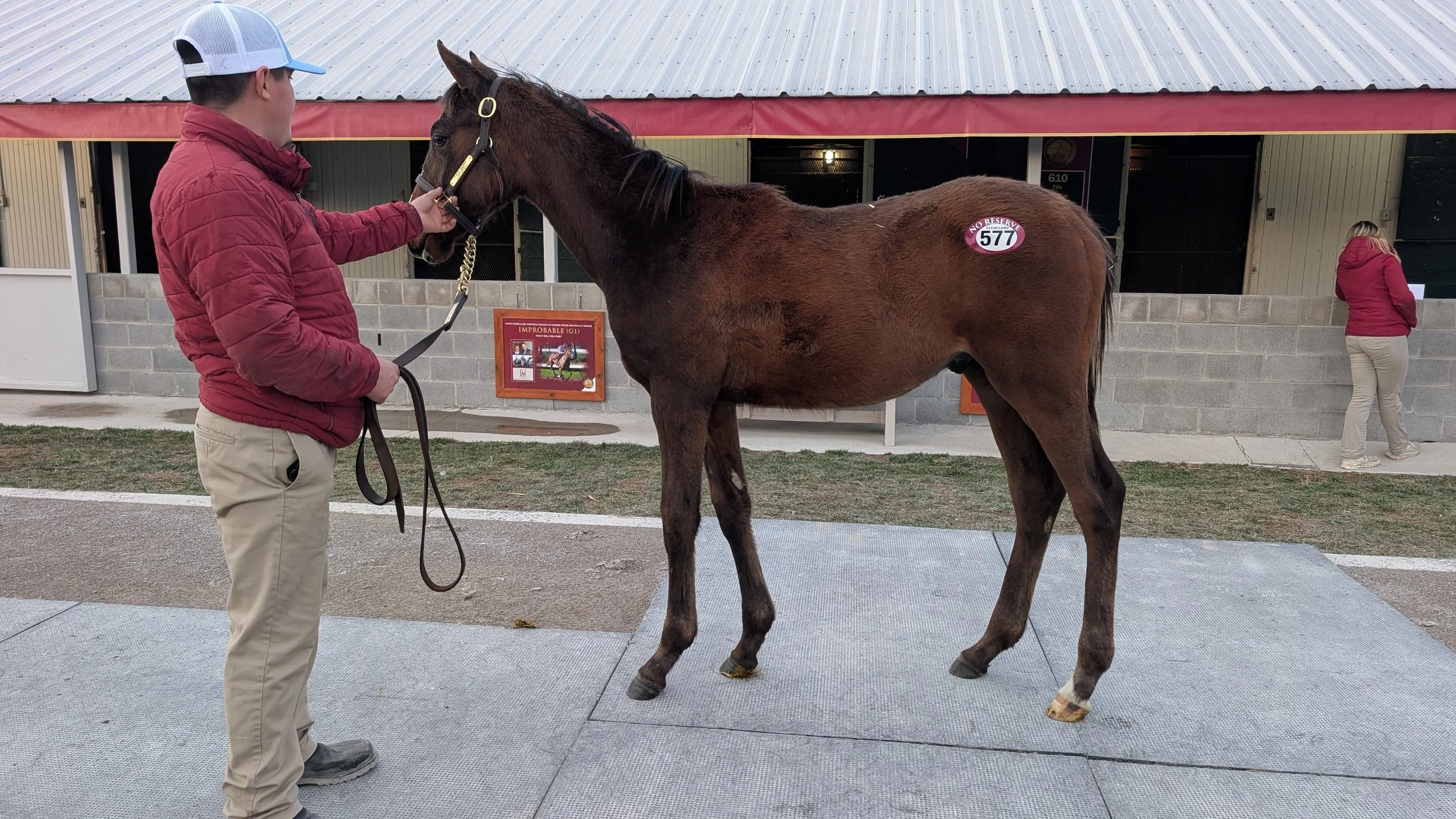
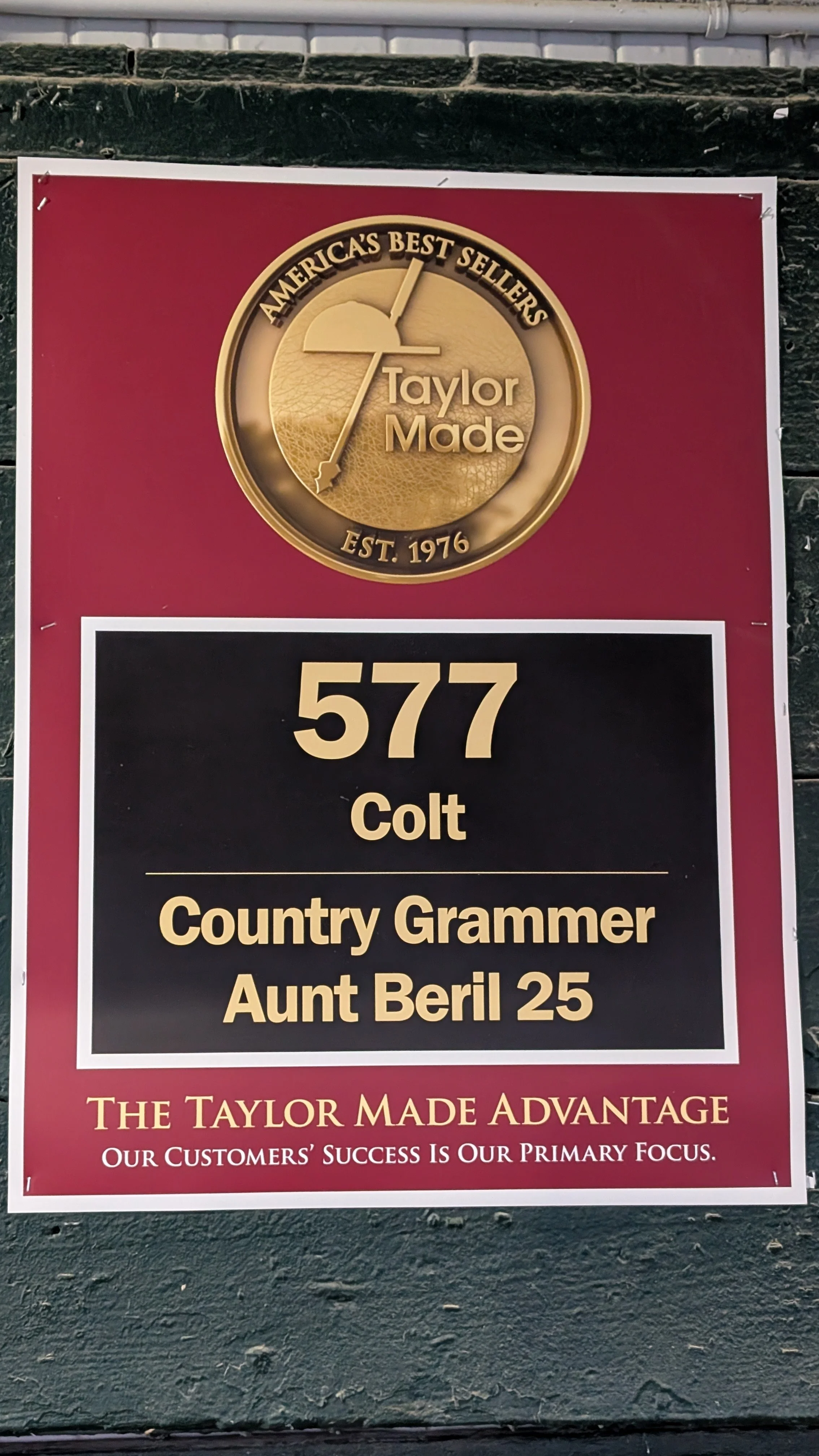
Why He Might Have Gone Unbid
We want to address the obvious question members are already anticipating: why did a colt like this receive no bids?
First, some context. At this sale, 1,105 horses were cataloged, roughly 700 sold, and only seven went through the ring without receiving a bid.
A no bid or RNA does not always mean a horse received zero interest. Many horses receive bids but are still listed as RNA because they did not meet the seller’s reserve price and may later sell privately. In this case, however, this colt was offered without reserve. If even one person had raised a hand for the $1,000 minimum bid — the price we ultimately paid — this story would look very different.
Several factors likely influenced the market response:
Size – He is small for his age. In the commercial sales ring, size influences perception immediately. That difference will be even more obvious once he is introduced to Thirteen. Size matters in the sales ring, especially when young horses are evaluated through a commercial lens.
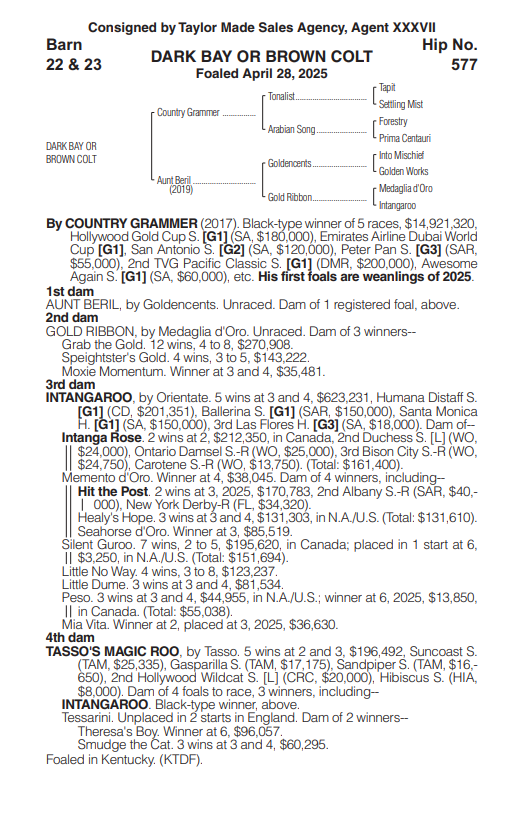
Sire Fashion – While we genuinely like Country Grammer as a racehorse and potential sire, the commercial market has been more reserved. His first book produced 47 foals. His second produced just 26. By comparison, fashionable stallions often cover 100 to 200 mares per season. The market tends to reward fashion.
First Foal – Being the first foal out of a mare can give buyers pause, particularly when paired with a smaller frame.
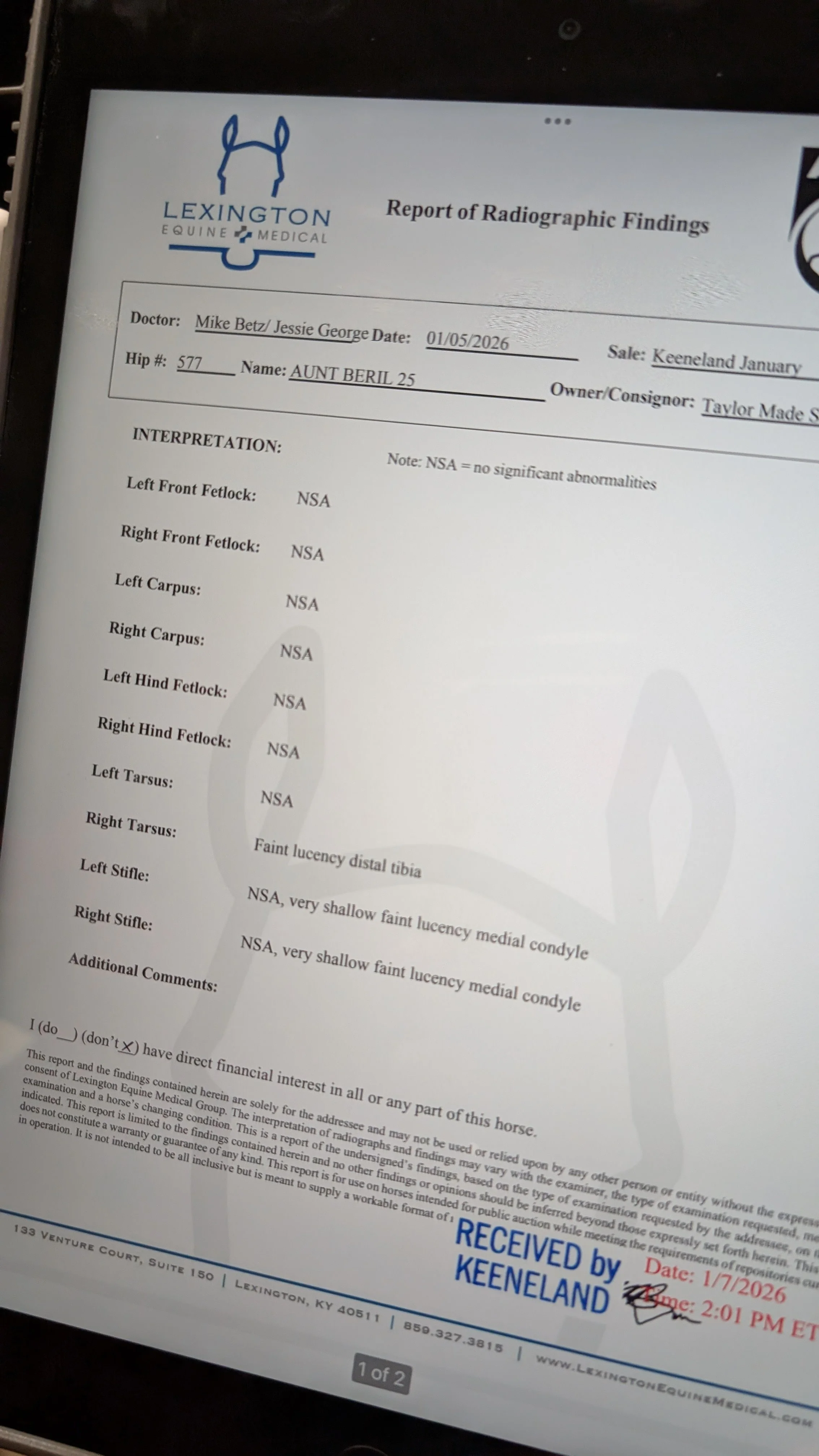
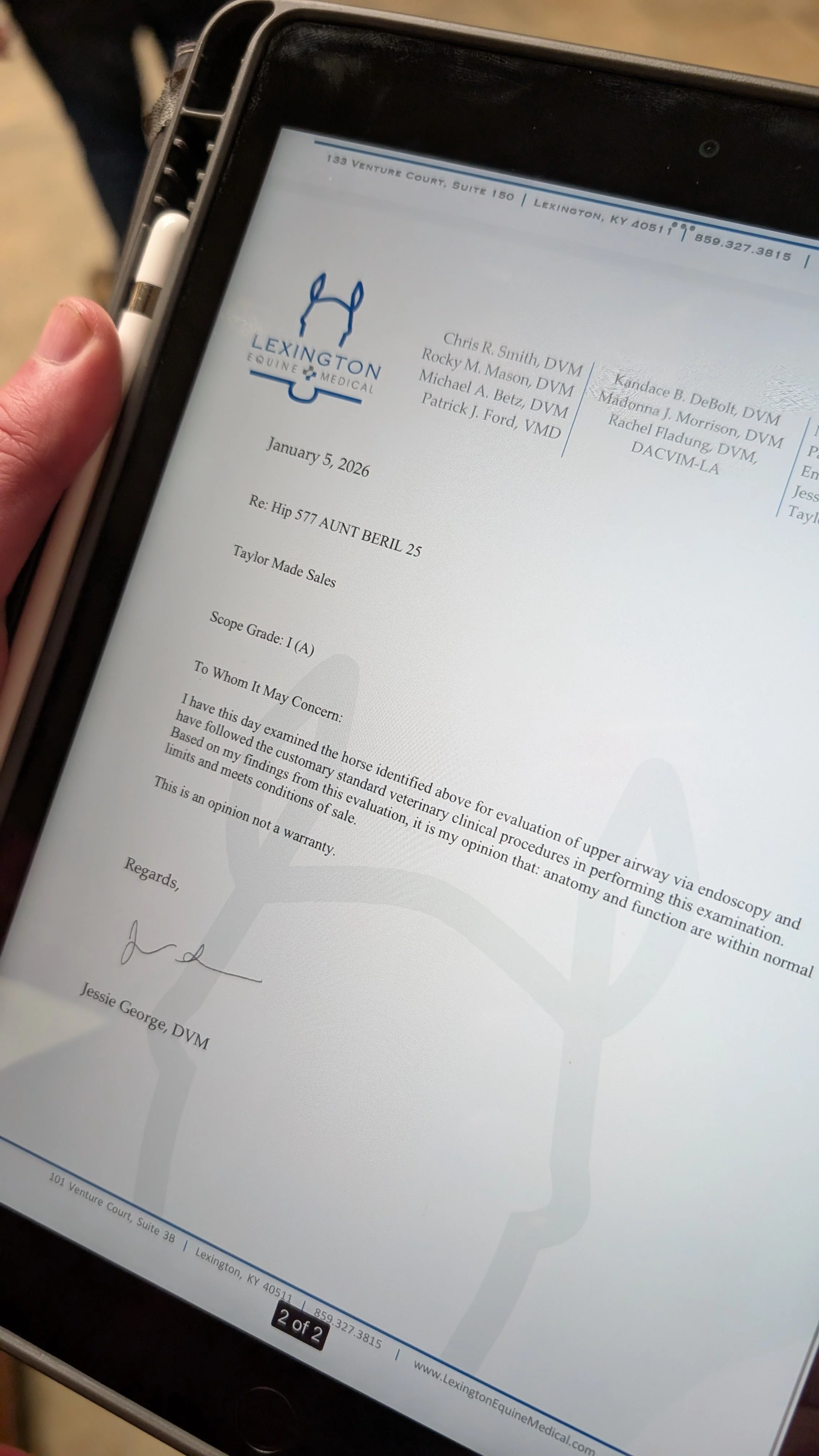
Veterinary Findings – His airway scope graded 1A (excellent). His radiographs showed mild findings that will be monitored, but nothing described as significant.
We approach him exactly as we approach all horses here: thoughtful nutrition, appropriate development, follow-up imaging as needed, and long-term planning.
Transparency is part of the Foal to Forever program.
Repository Notes and What We Will Monitor
We also want to be transparent about what the sale repository showed medically, as that may have influenced buyer interest.
His scope was graded 1A, which is excellent. His airway is clean.
His radiographs were not alarming, but they did show a few findings that will require monitoring. Specifically, there was faint lucency in the distal tibia of the right hock and very shallow lucency on the medial condyle of both stifles. These were not described as significant findings, and many mild changes like these resolve with age and appropriate management.
Our plan is straightforward: a full veterinary evaluation, thoughtful nutrition, appropriate movement as he settles, and follow-up imaging as needed. If intervention were ever required, it would likely be routine and manageable. For now, the approach is observation and smart development.
Why We Quarantine Horses Coming Home from the Sales
Even though every horse at a public sale must arrive with a current Coggins test and valid health certificate, those documents do not guarantee freedom from illness. They confirm only that the horse tested negative for specific regulated diseases at a point in time before shipping.
Large public sales are among the highest-risk environments for disease transmission. Horses arrive from hundreds of farms across multiple states. Once on the grounds, they are handled by numerous grooms, buyers, veterinarians, and visitors moving from horse to horse throughout the day.
True biosecurity at a sale is nearly impossible.
That is why we quarantine horses when they come home. The goal is not to assume illness. The goal is to protect the rest of the herd while giving the new arrival time to decompress, be monitored, and receive a full veterinary evaluation.
Only after our veterinarian clears him will we introduce him to Thirteen.
What Is Next for Him
After veterinary clearance, we will introduce him to Thirteen in the round pen so they can meet and bond before transitioning to a larger paddock.
We will also need a name. We will crowdsource suggestions publicly, and Foal to Forever members will have the final vote on the submission to The Jockey Club.
He will grow up alongside Thirteen, and when the time comes, we hope they will head to training together, just as Paycasso and Caesar from the Class of 2024 are doing now.
Maybe he becomes our most successful racehorse.
Maybe he becomes a wonderful riding horse for a lifetime lessee.
Either way, he is part of Foal to Forever now — which means he is ours for life.
Why This Matters for Foal to Forever
This colt is small for his age, well balanced, social, and notably level-headed as he settles into his new environment. He also shares a sire with Lady Calliope, making him the second foal from Country Grammer’s first crop to join the program.
More importantly, his story reinforces what Foal to Forever is designed to do.
Sometimes that means following horses from birth.
Other times, it means stepping in when the commercial market does not reflect what we see in the individual.
Thanks to this community, this colt now has both a plan and protection.
Follow his development from veterinary evaluation through training and beyond with full transparency every step of the way.
One payment. Lifetime access.
After clicking, you’ll create a quick account (about 30 seconds) and then complete secure checkout.
Membership includes access to a protected member area, which is why login is required.
Video sent by his breeder of him in the walking ring before going into the sales ring.
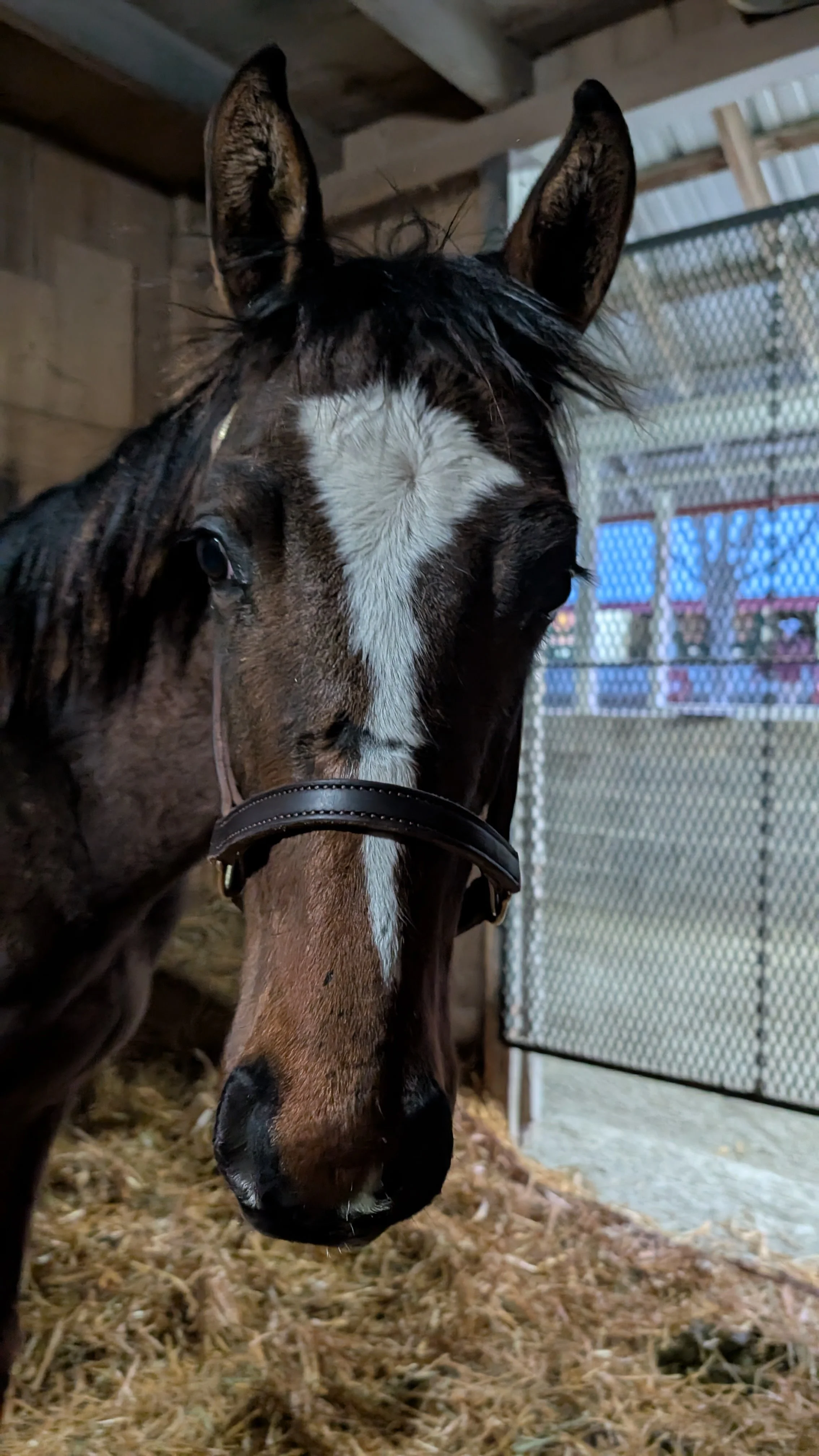
Seeing him for the first time in the barn area before we bought him.
First time entering the stall at Keeneland after we bought him
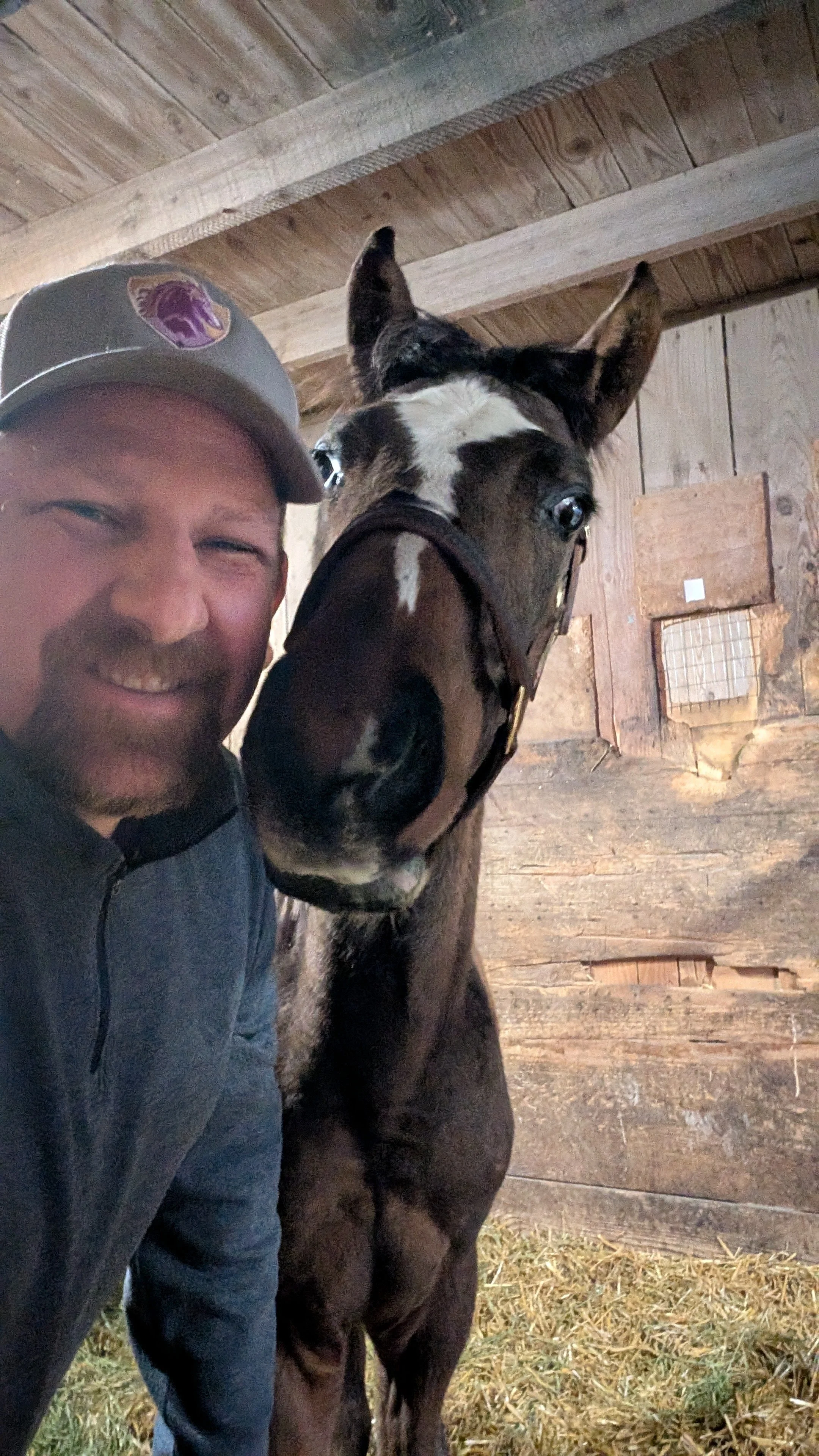
First selfie photo session with Kyle
First breakfast at the farm